Your parent says they are fine. The stairs are getting harder, the fridge is getting emptier, and the car has a new dent. You love them, you worry about them, and you do not know how to bring it up without a fight. This is the book for that conversation.
You have rehearsed this talk a hundred times. In the car, in the shower, at 2 a.m. You know the words you want to say: "I am worried about you. Please let me help." And you know exactly how it ends — with a polite smile, a full mug of coffee, and those two words: "I'm fine."
It is not fine. The pill bottles are piling up. The walker is still in the box. The electric bill has been opened twice and closed twice. Your father is still driving at dusk, and your mother is still quietly holding the kitchen counter. You want to help. Instead, you hear yourself say the wrong thing, and the door closes a little more.
Here is the part nobody warned you about: you cannot argue someone into accepting help. You cannot fact-check someone out of fear. You cannot fact-check "I'm fine" into "I'll think about it." Every push, every brochure, every well-meaning speech makes them grip their independence harder.
“Independence is not stubbornness. It is the sum of decades of small choices.”From Chapter 1
Picture a Sunday afternoon six months from now. You walk into their kitchen and the coffee smells like coffee, not burnt toast. Your mother is at the counter, and she says, "You know, that grab bar actually makes the shower nicer." Your father asks you to help him set up the autopay — "I heard the pharmacy can sort my pills, is that true?" — and you say yes, you heard that too.
Nobody cried. Nobody slammed a door. Nobody said "I'm fine" and shut you out. You still help, but you are not the enemy anymore. You are the person who brings the options, the ride, the pie, and the questions.

The good news: there is a way to have this conversation that does not start a war. It starts by hearing what those two words are really protecting — pride, fear, denial, control, money worry. Once you hear the worry underneath, you can change what you say.
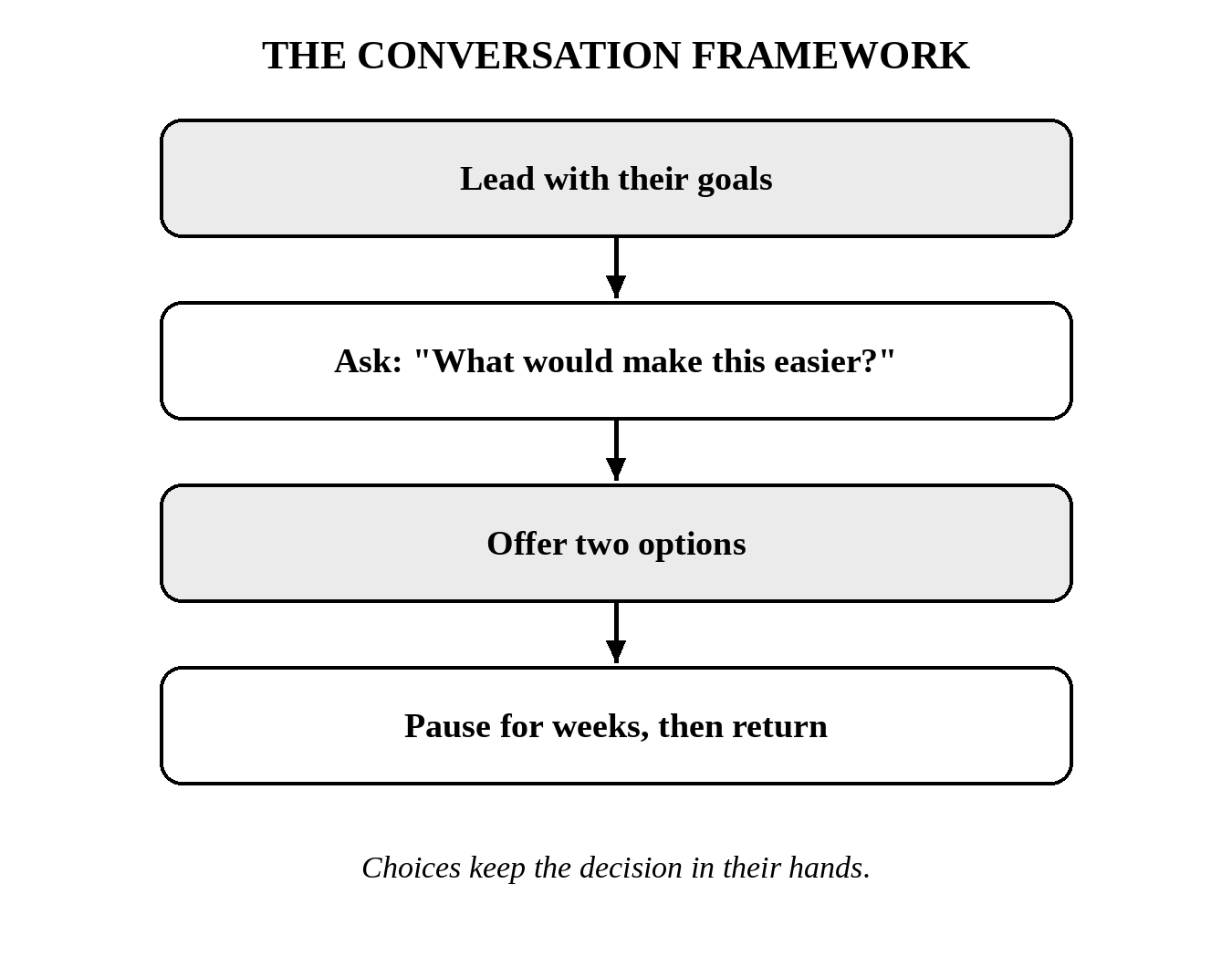
This book gives you the exact words. Ten chapters of scripts and frameworks, built for real kitchens, real car rides, and real parents who are not ready to listen yet. You will learn how to ask instead of tell, how to offer two options instead of one lecture, and how to pause for weeks instead of pushing for yes today.

The two-choice framework
Copy-ready mobility scripts
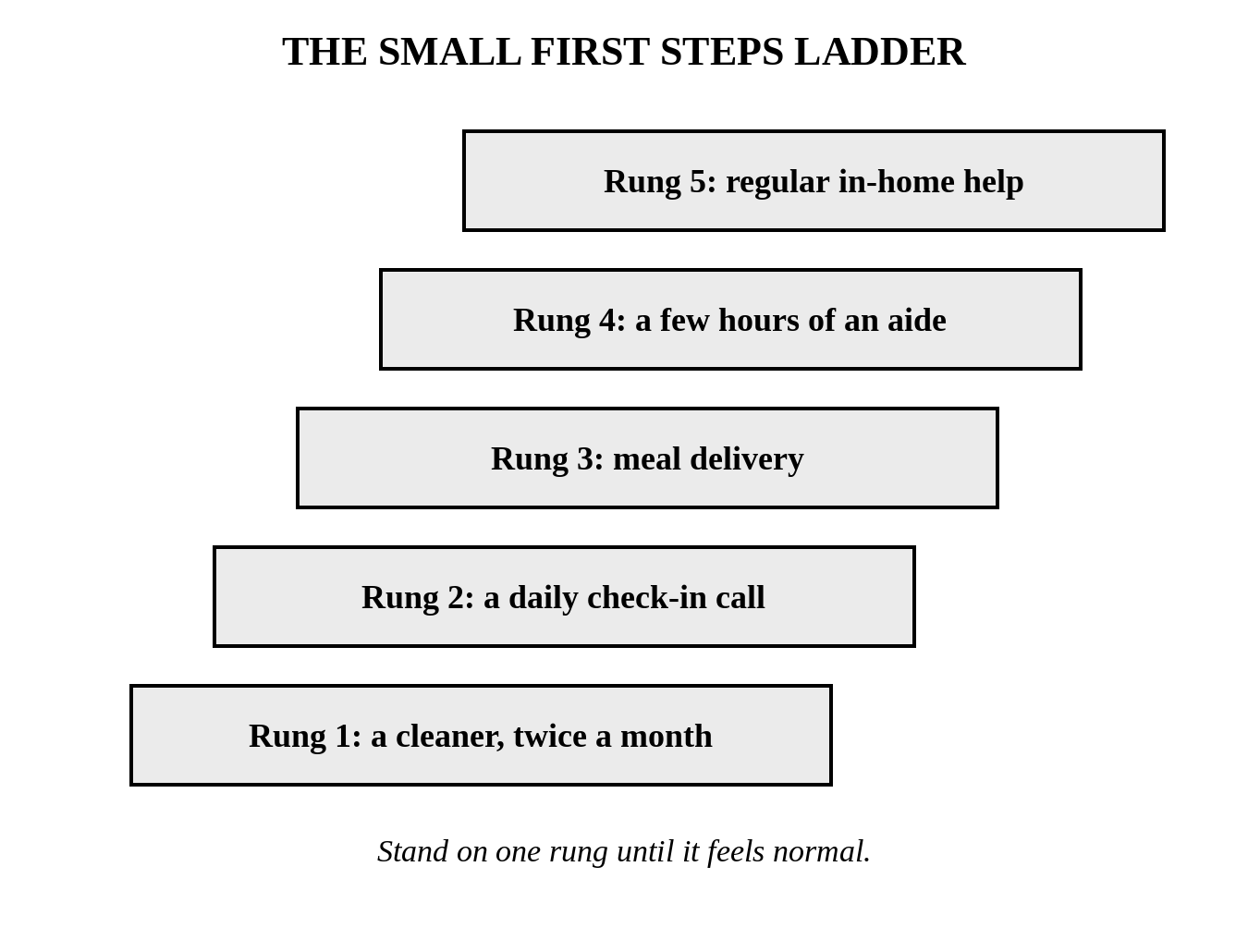
A small-first-steps ladder
Boundaries for you
“Arrive as lunch, not a decision.”From "I'm Fine", Chapter 6


“You cannot pour from an empty cup, and you should not try.”From Chapter 10
Instant download. The full 10-chapter guide, the framework card, scripts, worksheets, and both checklists.
The PDF plus the complete audiobook. Listen in the car on the way to a visit, then read the scripts at the kitchen table.
Narrated by AI voice
The complete audiobook, chapter by chapter, in the calm warm voice of the book.
Narrated by AI voice
A printable PDF, an audiobook (narrated by AI voice), or both as a bundle.
It is built for exactly that wall: it starts with the worry underneath and uses pauses and phrasing that let your parent save face and keep control. Progress is often one small yes after many no's.
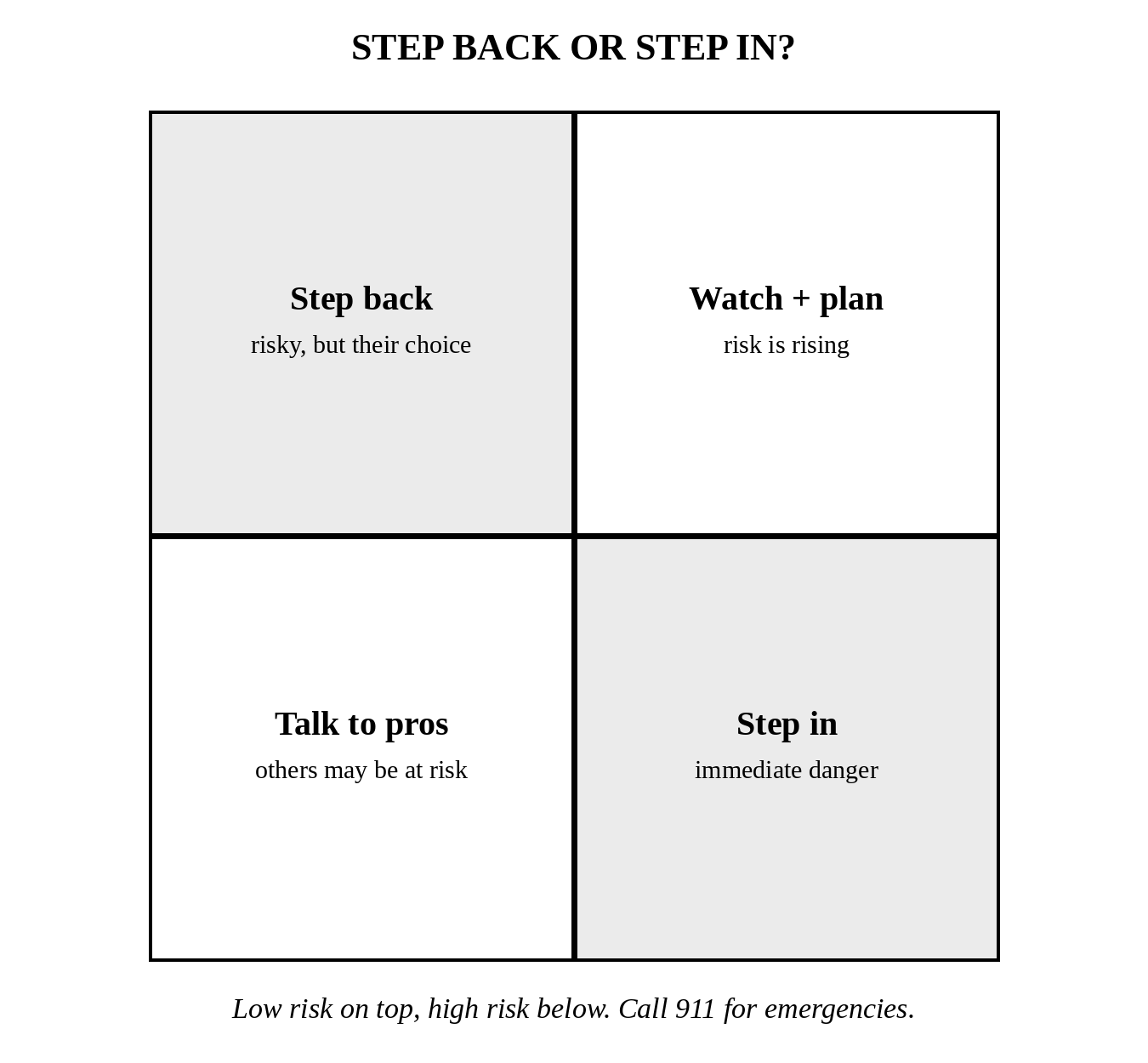
No. Memory changes, capacity, powers of attorney and guardianship belong with doctors and elder-law attorneys. Safety emergencies go to 911. This is a conversation and boundaries guide.
There is a whole chapter on getting siblings on one page, choosing one messenger, and what to do when not everyone agrees.
The core card fits on one page and works in minutes. The scripts give you word-for-word lines for the hard topics.
No one can promise a family conversation will go a certain way. What we promise is a real, practical system — built on the exact phrases that keep doors open.

Get your copy now. Open it tonight. Start the plan tomorrow.
Instant download. For safety emergencies, call 911. For other practical fixes, visit TheFixShelf.com.